
Department of Electrical And Computer Engineering
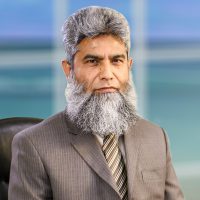
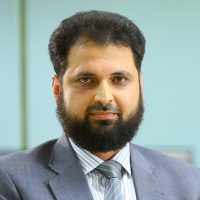
Dr. M. Mansoor Ahmed
Dr. Mansoor Ahmed received his doctorate in microelectronics from the University of Cambridge, UK, in 1995 and joined academia as a faculty member. Since 2015, he has been appointed vice-chancellor of the Capital University of Science and Technology. Under his patronage, more than 12,000 graduates have successfully completed their studies at various levels. This reflects his voluminous contribution to higher education. Dr. Ahmed’s research interests are in the areas of RF engineering and microelectronics, particularly in microwave devices. 15 PhD scholars have carried out their research work under his supervision and many more at MS level. He authored more than 160 research articles, published in internationally renowned journals. In 1999, Dr Ahmed was elected a Fellow of the Institution of Engineering and Technology (IET) in the United Kingdom. In the same year he was awarded the Chartered Engineer (CEng) designation by the UK Engineering Council. He was also awarded the title of Euro Engineer (Euro Ing) in 2002 by the European Federation of National Engineering Associations, Brussels. Owing to his significant academic contributions, he was declared as meritorious professor in 2022.
Dr. Imtiaz Ahmad Taj
Dr. Imtiaz Ahmad Taj is serving as Professor and Dean Faculty of Engineering. He did his Masters and PhD in Electronics and Information Engineering from Hokkaido University Japan, in 1998 and 2001, respectively. During his studies, he was awarded “Outstanding Young Researcher” award by IEICE Japan. He has vast Research and Development (R&D) experience in the fields of Computer Vision, AI, and Machine Learning systems both in Academia and Industry. At CUST, he is supervising the Vision and Pattern Recognition Systems (VisPRS) research group. 11 PhD and a number of Master’s students have graduated under his supervision, who are serving nationally and internationally at leading positions in academia and industry. Moreover, as Principal Investigator, he has successfully completed and delivered a number of funded R&D projects worth more than 47 million Rupees in the areas like real-time vision-based navigation, biometrics identification systems, and image/video processing hardware accelerators. In recognition of his research achievements, he was also awarded “CUST Research Excellence Award 2022”. As an academician, he served in the capacity of HoD and Dean for over 12 years, during which he was instrumental in designing and implementing Outcome Based Education (OBE) system at CUST.
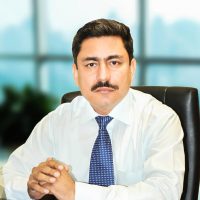
Dr. Noor M. Khan
Dr. Noor M. Khan received the B.Sc. degree in electrical engineering from UET, Lahore, Pakistan, in 1998. He held several positions in WorldCall Communications and PTCL from 1999 to 2002. In 2002, he joined the University of New South Wales (UNSW), Sydney, Australia, where he completed his Ph.D. in electrical engineering in 2006. From 2002 to 2006, he worked as casual academic with UNSW, Australia. After returning to Pakistan in 2006, he worked with GIK Institute of Engineering Sciences Technology and Mohammad Ali Jinnah University. Currently, he is working as Professor and Head of the Department of Electrical Computer Engineering with Capital University of Science and Technology (CUST), Islamabad, Pakistan. He has authored more than hundred research publications in reputed international journals and refereed conferences. Recently, he has served as the General Chair of the 16th IEEE International Conference on Emerging Technologies in December 2021. He has supervised twelve Ph.D. and more than forty MS students. He has been awarded Research Productivity Awards by the Pakistan Council for Science and Technology (PCST) for the years 2011 and 2012 and CUST Research Excellence Award for the year 2021, respectively. His research interests include wireless networks and mobile communications.

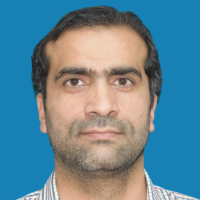
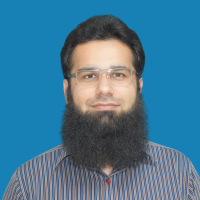
Dr. Muhammad Riaz
Dr. Muhammad Riaz received the M.Sc. degree in electronics from Quaid-i-Azam University, Islamabad, Pakistan, in 2002, and the M.S. and Ph.D. degrees in electronic engineering from Mohammad Ali Jinnah University, Islamabad, in 2009 and 2015, respectively. His PhD dissertation title is “Modeling and characterization of mobile-to-mobile communications channels”. After completion of PhD, he joined The University of Lahore, Islamabad Campus as Assistant professor. Later, he was promoted as Associate Professor and worked as Head of Electrical Engineering Department. He has also served in the MY University Islamabad as Head of Electrical Engineering Department. Currently, he is working as Associate Professor in the Department of Electrical and Computer Engineering at the Capital University of Science and Technology, Islamabad. He is a member of Pakistan Engineering Council, Pakistan. He is also with a research group the “Acme Center for Research in Wireless Communications”, at Capital University of Science and Technology, Islamabad. His research interests include Network Security, Modeling and Characterization of Cellular and Mobile-to-Mobile Communication Channels, Localization of Wireless Sensor Network, MIMO Communication Systems, and Vehicle-to-Vehicle Communications.
Dr. Waseem Abbass
Dr. Waseem Abbass, Ph.D., an esteemed engineer with over 12 years in academia, is passionately dedicated to fostering youth civic engagement. Holding a Bachelor’s degree in Computer Engineering with honors from COMSATS University Islamabad and pursuing advanced studies in networks at the University of Engineering and Technology, Taxila, Dr. Waseem has become a recognized expert in electrical engineering. In 2023, he earned his Ph.D. from COMSATS, specializing in modeling, optimizing, and applying machine learning in 5G cellular communication. His dissertation, “Analysis and Optimization of Shared Spectrum Access in 5G,” highlights his prowess in tackling contemporary technological challenges with 10 journal publications. With a background exceeding 12 years, Waseem is an Assistant Professor at Capital University of Science and Technology, Islamabad. Actively contributing to machine learning, cognitive radio networks, device-to-device communication, and the Internet of Things within the engineering domain, he leverages his extensive experience to mentor the next generation of engineers. Beyond academia, he has organized over 20 workshops, empowering young engineers through Public Achievement programs and instilling a profound sense of civic responsibility. Waseem Abbass seamlessly integrates robust research and extensive experience with community leadership, playing a pivotal role in shaping responsible and informed engineers. His diverse contributions reflect a holistic commitment to advancing technical knowledge and creating a positive societal impact.
Dr. Umer Farooq Ahmed
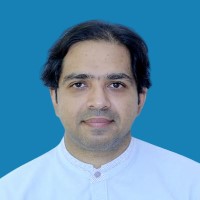
Dr. Umer Farooq Ahmed received the B.S. degree (Hons.) in electrical engineering from the COMSATS Institute of Science and Technology, Islamabad, in 2017 and the M.S. degree (Hons.) in electrical engineering from the Capital University of Science and Technology (CUST), Islamabad, in 2019, both with the highest distinction and was a recipient of two gold medals, in each degree. In 2018, he joined as a Research Associate with the Microelectronics and RF Engineering Group, CUST, where he was appointed as a Lecturer with the Department of Electrical Engineering, in 2019. In the following year, he was awarded a Ph.D. Fellowship by the Higher Education Commission of Pakistan and Cambridge Trust, United Kingdom. He completed his PhD in 2024 from the University of Cambridge, United Kingdom. He has published a number of research articles in reputed journals. His research interests include microelectronics, nanowire device fabrication, microwave FETs modeling, and antenna design. He is a Registered Engineer with the Pakistan Engineering Council (PEC), Islamabad.
Dr. Touseef Javed
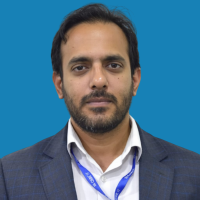
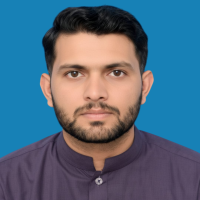
Dr Touseef Javed received his Doctorate in Multimedia Networks from University of London in 2011.He wants to address issues of healthcare in society through the means of technology. His specialisation is of Voice and Video Transmission over Varying, Shared, Low-bandwidth Internet. This has become significantly important since the COVID period when we were using Zoom, Google Meet for all forms of work, study, business. Experiencing poor Quality of Experience for student users particularly over Shared and Low-Bandwidth availability. He has extended his research domain into industrial Startups, areas of Telemedicine for Rural areas of Pakistan, hence developed Nutrimedz.com. Has presented his work at Convection Centre Islamabad at Prime Minister’s Initiative for Startups, won 3rd Position at NUML Business Incubation Startups. Furthermore, to keep up with technological changes in the Software Industry he has also moved into the direction of Data Sciences. Using his key Analytical skills gained from PhD research in the area of Data Sciences. He has enrolled in a Certification courses from DiceAnalytics.pk, covering material in Data Cleansing, Analysis, Visualization, SQL, Power BI.
Dr. Jehan Zeb
Dr. Jehan Zeb is an Assistant Professor in the Department of Electrical & Computer Engineering with over 17 years of teaching experience at undergraduate and postgraduate levels. He earned his PhD in Computer Engineering (Wireless Networks) from UET Taxila and an MSc (Distinction) in Wireless Communications from Brunel University London, where his project won the Best Project Prize from the IEEE Communication Society UK & RI Chapter. At SS-CASE-IT, Islamabad, he served as Chairperson of Electrical Engineering and Program Head, leading PEC Level-2 OBE accreditation cycles, curriculum reforms, and policy development. He has supervised numerous undergraduate and postgraduate students, secured funding through IGNITE FYDP and PEC schemes, and delivered invited talks and trainings on OBE and curriculum design. His research spans wireless communications, networking, and cybersecurity, with recent focus on AI/ML applications for automatic modulation classification, intelligent reflecting surfaces, spectrum management for 5G/6G, and security of emerging communication systems. He is also actively teaching in the Cyber Security program, aligning his research with cryptography, network security, and secure wireless protocols. Dr. Zeb joined Capital University of Science & Technology (CUST), contributing to teaching, research, and academic leadership.
Dr. M. Awais Shahid
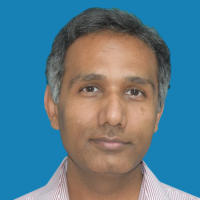
Dr. Muhammad Awais Shahid received the B.S., M.S., and Ph.D. degrees in Electrical Engineering from Air University, Islamabad, Pakistan, in 2015, 2017, and 2024, respectively. He has been with the Department of Electrical and Computer Engineering at Air University, Islamabad, since 2016 and served there until 2025. He is currently serving as an Assistant Professor at the Department of Electrical and Computer Engineering, Capital University of Science & Technology, Islamabad, Pakistan. His research interests include cyber-physical systems, cybersecurity, smart grid technologies, and machine learning. He has published research articles in peer-reviewed international journals.
Mr. Umar Maqbool
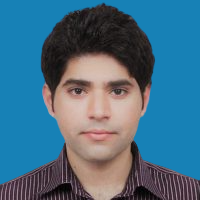
Mr. Umar Maqbool received the B.S. degree in electronics and communication engineering from Institute of Space Technology, Islamabad and the M.S. degree in electronics and wireless communication from University of Hertfordshire, United Kingdom. He joined academia after serving for a brief while in the industry. He is currently working as an Assistant Professor in the department of Electrical and Computer Engineering at Capital University of Science and Technology. He is a Registered Engineer with the Pakistan Engineering Council (PEC), Islamabad.
Mr. Moin Qasim
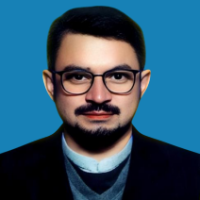
Mr. Muhammad Moin Qasim is currently pursuing his PhD in Electrical Engineering from Institute of space and technology, Islamabad. He has completed his MS degree in Electronic Engineering from CUST, in 2016, and BS in Electronic Engineering from Muhammad Ali Jinnah University, Islamabad Campus, in 2013. He was awarded Silver Medal for his outstanding performance in Bachelor’s Degree. He is currently a Lecturer in Electrical Engineering Department at Capital University of Science and Technology. His research interests include digital image processing, Computer Vision, Hyperspectral Document Image Processing and Machine Learning.
Engr. Amir Habib
Engr. Amir Habib is a Senior Lecturer in the Department of Electrical and Computer Engineering at the Capital University of Science and Technology (CUST), Islamabad. He holds a B.Sc. and M.Sc. in Computer Systems Engineering from the University of Engineering & Technology (UET), Peshawar, earned in 2011 and 2019, respectively. He is currently pursuing a Ph.D. in Computer Systems Engineering at UET Peshawar, where his research at the Secure IoT Lab (SID) focuses on cybersecurity and 5g mobile networking. His primary research interests include advanced security mechanisms for modern IoT systems and emerging challenges in cybersecurity.

Ms. Iqra Suleman
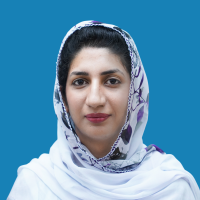
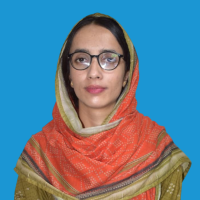
Ms. Iqra Suleman is a Computer Engineer and academic specializing in Machine Learning, Artificial Intelligence, and Computer Vision. She holds a Master’s degree in Computer Engineering from the National University of Sciences and Technology (NUST), Islamabad. Her research work focuses on developing intelligent data driven systems for real world applications, particularly in biomedical data analysis and computer vision. She has teaching experience in engineering and computing disciplines at multiple universities where she has delivered undergraduate courses. Her research interests include deep learning, machine learning, computer vision, and intelligent systems for healthcare applications.
Ms. Misbah Azam
Ms. Misbah Azam is a Lecturer in the Department of Electrical and Computer Engineering at Capital University of Science and Technology, Islamabad. She earned a BS in Computer Science from Air University, Islamabad (2021) and an MS in Information Security from COMSATS University Islamabad (2024). Her research focuses on Cybersecurity, The Internet of Things (IoT), and The detection and prevention of malicious nodes in IoT systems. Her areas of interest include Security audit and compliance, Cryptography, and Programming. She is committed to delivering high-quality teaching, mentoring students, and contributing to research initiatives and the academic community.
Engr. Suleman Khan
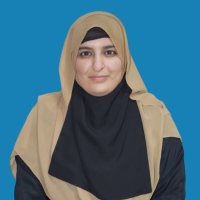
Engr. Suleman Khan is currently serving as a Lecturer in the Department of Electrical and Computer Engineering at the Capital University of Science and Technology (CUST), Islamabad. He is affiliated with the RF and Microelectronics Research Lab, where he is actively involved in ongoing research related to RF engineering, sensor design, and device modeling. With a strong background in antenna theory, RF circuits, and semiconductor devices, he has contributed to various research projects focusing on millimeter-wave antenna design and HPM transmission
Ms. Sumaira Sheraz
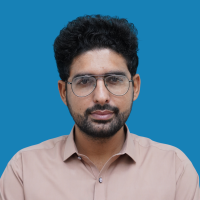
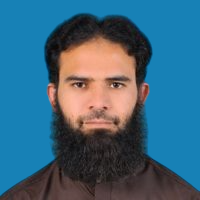
Ms. Sumaira Sheraz is a Lecturer in the Department of Electrical and Computer Engineering at the Capital University of Science and Technology (CUST), Islamabad. She holds a BS in Computer Engineering from Dr.A.Q.Khan Institute of Computer Science and Information Technology Kahuta (2021) and a MS in Information Security from COMSATS University Islamabad (2024), and is a registered engineer with the Pakistan Engineering Council (PEC).Her research focuses on cybersecurity, with a particular emphasis on trust management and load balancing task execution in fog computing environments. Her broader academic interests include cyber deception, threat intelligence, cryptography, and network security. She is dedicated to delivering high-quality teaching, mentoring students, and actively contributing to research and academic development
Mr. Asad Javeed
Mr. Asad Javeed is a dedicated Computer Engineer, completed his Bachelor from COMSATS University Islamabad. He completed his Master’s degree in Computer Science Networking from CECOS University Peshawar. He possesses a robust background in advanced networking, Electronics, Embedded System and Academic management, having served as Lecturer at CECOS University Peshawar. His research expertise focuses on IoT, Vehicular Ad Hoc Networks (VANETs), network efficiency, and intelligent systems, with multiple publications currently under review in these specialized fields. He is technically proficient in Python, C++, hardware implementation and network simulation tools such as Omnet++, Sumo, and Veins. He is Pakistan Engineering Council (PEC) registered engineer, he has earned certifications in CCNA Routing and Switching Hands-on Training, AI & Emerging Tech Summit 2025 and Cyber Security Essential.
Mr. Abdullah Numani
Mr. Abdullah Numani is currently working as an Associate Lecturer in the Department of Electrical and Computer Engineering, Capital University of Science and Technology, Islamabad. He received the M.Sc. degree in electrical engineering from COMSATS Institute of Information Technology, Islamabad, Pakistan, in 2018 and the B.Sc. degree in electronics engineering form COMSATS Institute of Information Technology, Abbottabad, Pakistan, in 2012. He worked as Graduate Assistant for three years, taught different laboratories to engineering students and assisted professors in teaching engineering courses. His research interests include multi-access edge computing networks, airborne internet access, and smart healthcare.
Ms. Samra Ghaffar
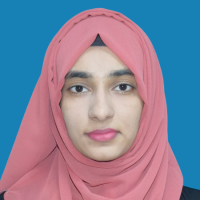
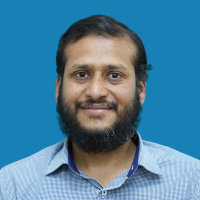
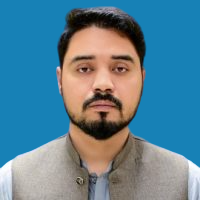
Ms. Samra Ghaffar is currently working as an Associate Lecturer in Electrical Engineering Department of Capital University of Science and Technology, Islamabad. She has done her bachelor’s from UET and masters in Digital systems & Signal processing from NUST.
Mr. M. Waqas
Mr. Muhammad Waqas is currently working as an Associate Lecturer in the Department of Electrical and Computer Engineering, Capital University of Science and Technology, Islamabad. He received the MS degree in Cyber Security from Muslim Youth University, Islamabad in 2025 & also MS electrical engineering from Federal Urdu University Arts, Science and Technology Islamabad in 2016 and the B.Sc. degree in electrical electronics engineering form Federal Urdu University of Arts, Science & Technology Islamabad Pakistan, in 2011. He worked in various leading educational organization, taught different laboratories to engineering students. His research interests in the field of Cyber Security and Wireless Communication, reflecting his commitment to advancing secure and efficient communication systems.
Mr. Yasir Hussain
Mr. Yasir Hussain is currently working as a Lab Engineer in Electrical and Computer Engineering Department of Capital University of Science and Technology, Islamabad. He has done his bachelor’s from BUITEMS Quetta in Computer Engineering and currently he is doing his Masters in Information and Communication Engineering from SCUT China.

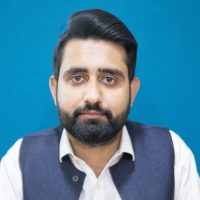
Engr. M. Arslan Rafique
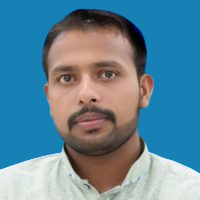
Mr. Muhammad Arslan Rafique is currently working as a Lab Engineer in Electrical and Computer Engineering Department of Capital University of Science and Technology, Islamabad. He has done his bachelor’s from UET Taxila. He has an experience of teaching almost 4.5 years at The University of Lahore since September 2019 to May 2024.
Ms. Rokhma Un Nisa
Ms. Rokhma un Nisa is a professional in Electrical Engineering, having earned her Bachelor of Science degree from Capital University of Science and Technology in 2024, where she was awarded a gold medal for her exceptional academic performance. Following her graduation, she joined the university as a Lab Engineer in the Department of Electrical and Computer Engineering, contributing significantly to both academic and research initiatives. With a strong foundation in electrical circuits, electronics, and electromagnetism, Ms. Rokhma demonstrates expertise in designing and implementing innovative electrical systems. Her professional experience includes work at grid stations, focusing on power generation, transmission, and distribution with the National Transmission and Dispatch Company (NTDC). She has successfully managed numerous projects, ensuring adherence to industry standards and regulations. MS. Rokhma skills encompass electrical system design, testing, Robotics, and project management. Her problem-solving abilities and collaborative spirit make her an invaluable asset to her tea
Engr. Abdullah
Engr. Abdullah is currently working as a Lab Engineer in the Department of Electrical and Computer Engineering, Capital University of Science and Technology, Islamabad. He received the MS in Electrical Engineering from COMSATS University Islamabad, Pakistan, in 2024, and the dissertation title was: "Performance analysis of Axial Flux Brushless Wound Synchronous Machine by Utilizing Subharmonic Field Excitation" and a BS in Electrical Engineering from FAST NUCES Islamabad, Pakistan, in 2021. He worked as Research Assistant for 2 years at the Modeling & Simulation Lab at COMSATS University Islamabad, Pakistan. He worked as a Visiting lecturer for two years at SZABIST University Islamabad, Pakistan, and registered engineer with the Pakistan engineering council, Elect/90274. His research interests include the design and analysis of permanent magnet axial flux machines, brushless wound rotor synchronous axial flux machines, and brushless wound rotor synchronous radial machines.
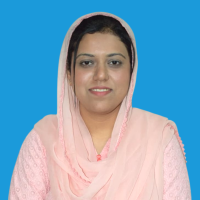
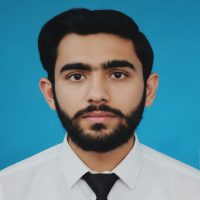

Ms. Areeba Nasim
Ms. Areeba Nasim is a BS Software Engineering graduate from Riphah International University with strong knowledge in database systems, programming, and software development methodologies. She has hands-on experience with SQL, Java, and object-oriented programming, along with skills in software design and analysis.
Mr. Hamza Arshad
Engr. Hamza Arshad earned his Bachelor's degree in Electrical Engineering from Capital University of Science and Technology (CUST), Islamabad, with a strong academic focus on Electronics, Embedded Systems, ASIC Design and FPGA. His academic background is complemented by practical experience in circuit design, microcontroller programming, system automation, and hardware-software integration. Engr. Hamza Arshad joined CUST as a Lab Engineer. In this role, he is responsible for conducting lab sessions, assisting students in practical work, and supporting faculty in the implementation of course outcomes. He is dedicated to fostering a learning environment that encourages innovation, critical thinking, and technical excellence. His goal is to help students build strong foundations in engineering concepts and prepare them for real world challenges in modern electrical and embedded systems.
Ms. Rafiya Tariq
Ms. Rafiya Tariq is currently working as a Lab Engineer in the Department of Computer Science at Capital University of Science and Technology (CUST), Islamabad. She has completed her Bachelor’s degree in Computer Science from CUST and is presently pursuing her Master’s degree in Computer Science with a specialization in Artificial Intelligence. She possesses strong knowledge in web development, cybersecurity, and information security. Her areas of interest include analyzing and exploring different software tools and technologies related to web development and security. She is passionate about learning emerging technologies, particularly in the fields of artificial intelligence and cybersecurity, and applying her knowledge to practical and educational environments.
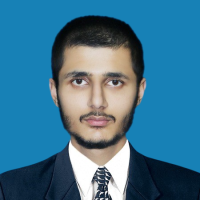
Mr. Asif Mehmood
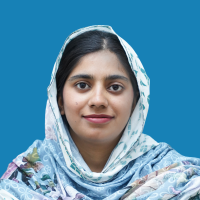
Mr. Asif Mehmood Khan has completed a Bachelor of Science in Electrical Engineering with a strong background in Artificial Intelligence. He has a keen interest in drones, artificial intelligence, and machine learning, and has gained practical experience through hands-on projects involving drone systems and intelligent algorithms. His work reflects the ability to integrate electronics hardware with software-based AI solutions, demonstrating strong problem-solving and analytical skills. With a solid academic background in electrical and electronic systems, he is passionate about developing innovative technologies and contributing to advancements in intelligent and autonomous systems. He possesses strong analytical thinking, problem-solving abilities, and a passion for continuous learning. His goal is to contribute to innovative projects in electronics, robotics, autonomous systems, and intelligent technologies. With a combination of theoretical knowledge and practical project experience, he is eager to grow professionally and play a meaningful role in advancing modern engineering solutions and technological development.
Ms. Silza Khalil
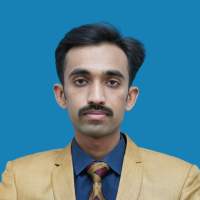
Ms. Silza Khalil is a dedicated Computer Engineer with a strong interest in software development, artificial intelligence, and emerging technologies. She possesses solid knowledge of programming, system design, networking, and modern computing tools. Throughout her academic journey, she has worked on multiple technical projects, including drone-based surveillance and crowd detection system, demonstrating her ability to apply theoretical concepts to real-world solutions. She is skilled in problem-solving, analytical thinking, and developing innovative technology-based solutions. Silza has experience working with programming languages, software development frameworks, and network configurations. Along with her technical abilities, she also has strong communication and leadership skills, gained through participation in academic events, technical presentations, and professional activities. In addition to her engineering expertise, she is an Urdu debater, writer, and active participant in educational and professional forums, which reflects her confidence and ability to express ideas effectively. Silza aims to build a professional career in the technology sector where she can contribute to innovative projects, continuous learning, and the advancement of intelligent systems and digital solutions.
Engr. Shariq Khalid
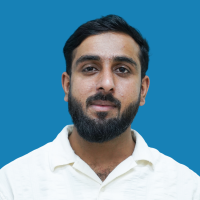
Engr. Shariq Khalid is currently serving as a Lab Engineer in the Department of Electrical and Computer Engineering at Capital University of Science and Technology (CUST), Islamabad. He earned his Bachelor of Science in Electrical Engineering from CUST in 2025, where he was awarded a Gold Medal in recognition of his exceptional academic performance.
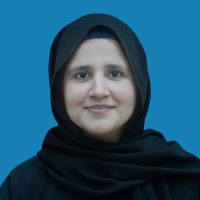
Mr. Aqeeb Hussain
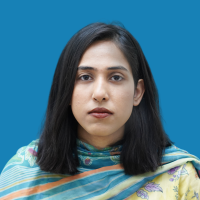
Mr. Aqeeb Hussain is serving as a Lab Engineer at the Capital University of Science and Technology (CUST). He is currently pursuing a Master of Science in Artificial Intelligence (MSAI) and holds a Bachelor of Science in Computer Science (BSCS). He has professional experience in the software industry as a Flutter Developer, where he was involved in the development of cross-platform mobile applications, API integration, and implementation of scalable software solutions. His industry exposure has strengthened his practical understanding of software engineering principles and modern development frameworks. His academic interests include Artificial Intelligence, Machine Learning, Deep Learning, Natural Language Processing, and Vision-Text Multimodal Systems. He is actively engaged in research focused on AI-driven healthcare solutions, particularly in lung disease detection using multimodal deep learning approaches. He is committed to fostering a practical learning environment in laboratories and supporting students in bridging theoretical concepts with real-world applications.
Ms. Ayesha Riaz
Ms. Ayesha Riaz is a Lab Engineer in the Department of Electrical and Computer Engineering, holding a Bachelor’s degree in Electrical Engineering from NUST. She possesses a strong academic background and practical experience in the fields of telecommunications, cybersecurity, and artificial intelligence.
Ms. Amna Bibi
Ms. Amna Bibi is a Lab Engineer in the Department of Electrical and Computer Engineering at Capital University of Science and Technology (CUST), Islamabad. She holds a Bachelor’s degree in Computer Science (BSCS) from Air University. She has a strong interest in programming and software development, with a focus on enhancing practical understanding of computer science concepts. Her areas of interest include Software Engineering, Web Development, Cybersecurity, and Artificial Intelligence. She has also worked on a project titled “Image-Based Malware Classification” using machine learning techniques.