
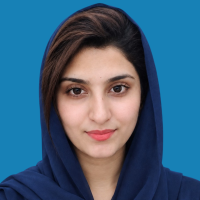
PROFILE SUMMARY
Dr. Urooj Tara is an Assistant Professor of Psychology with expertise in Clinical Psychology, neurodevelopmental disorders, autism spectrum disorder, and social and emotional development. She holds a Ph.D. in Psychology from the National Institute of Psychology, Quaid-i-Azam University, Islamabad. Her academic and professional work combines teaching, research, clinical practice, and student supervision. Her research interests primarily focus on autism, social skills interventions, parent-mediated interventions, psychological assessment, and evidence-based approaches for children with neurodevelopmental disorders. Her doctoral research examined a parent-assisted children’s friendship training intervention for children with autism spectrum disorder using a randomized controlled design. She has contributed to research involving culturally and linguistically appropriate psychological assessment tools and interventions. Dr. Urooj has experience teaching courses including Introduction to Psychology, Research Methods, Data Analysis, Psychopathology, Clinical Internship, and Biological Basis of Behavior. She is also actively involved in research coordination, postgraduate supervision, academic development, and student training. Her professional interests include promoting evidence-based psychological practice, culturally responsive interventions, and the integration of emerging approaches such as neurodiversity-informed practice and digital mental health into psychology education and services.
| QUALIFICATION | |||
| PhD | Psychology | National Institute of Psychology, Quaid-e-Azam University, Islamabad | 2026 |
| MS | Clinical Psychology | Foundation University, Islamabad | 2019 |
| TEACHING EXPERIENCE | |||
| Assistant Professor | Capital University of Science and Technology, Islamabad | Since – 2026 | |
| RESEARCH AREAS / INTERESTS | |||
| 1. | Neurodevelopmental Disorders | ||
| 2. | Autism Spectrum Disorder | ||
| 3. | Community-based Interventions | ||
| RESEARCH SUPERVISION | |||
| 1. | MS | Impact of Vicarious Trauma on Burnout and Job Satisfaction among Clinical Psychologists: Role of Self-Compassion | |
| 2. | MS | Efficacy of Color Mandala Intervention on Spiritual Attitude, Happiness and Mindfulness among Adults | |
| 3. | MS | Role of Rejection Sensitivity and Emotional Intelligence in the Relationship between Alexithymia and Internet Addiction among Young Adults | |
| 4. | MS | Impact of Social Media Usage and Deliberate Self-harm on Delinquent Behavior among Adolescents: Role of Moral Disengagement | |
| 5. | MS | Impact of Role Ambiguity and Organizational Frustration on Employee Depression: Role of Emotional Intelligence | |
| 6. | MS | Making Sense of Rural-to-Urban University Transition among Pakistani Rural-Origin Students: A Qualitative Study | |
| 7. | MS | Psychological Capital and Subjective well-being in Adults with Depressive Symptoms: Role of Psychological Flexibility | |
| 8. | MS | Psychological Flexibility and Parental Self-Efficacy among parents of children with Autism Spectrum Disorder: Role of Autism Severity | |
| 9. | BS | AI Anxiety, Perceived Job Insecurity and Career Readiness among Graduating Students | |
| 10. | BS | Sleep Quality, Cognitive Failures and Fatigue among University Hostel-Residing Students | |
| 11. | BS | Impact of Islamic Gratitude on Self Esteem and Rumination among Adults | |
| 12. | BS | Sports Anxiety and Coaching Criticism among Club-level and Domestic Athletes | |
| 13. | BS | FOMO, Body Dysmorphia and Appearance Anxiety among the Snapchat Users | |
| 14. | BS | Relationship of Islamic Quality of Life with Depression and Anxiety among University Students | |
| 15. | BS | Impact of Childhood Trauma and Emotional Dysregulation on Borderline Personality Symptoms Among Females | |
| Sr. | JOURNAL PUBLICATIONS | Year |
| 1 | U. Tara and N. Rauf, “Unveiling the interplay of social skills and sociocultural dynamics in children with autism spectrum disorder in Pakistan,” International Journal of Developmental Disabilities, vol. 72, no. 4, pp. 846–858, 2026. | 2026 |
| 2 | U. Tahseen, U. Tara, E. Waheed, M. Rasheed, M. Naveed, and M. Zahra, “Childhood trauma and emotional dysregulation as predictors of borderline personality symptoms among female university students,” Pakistan Journal of Psychological Research, vol. 41, no. 1, pp. 143-164, 2026. | 2026 |
| 3 | U. Tara, N. Rauf, and A. Arshad, “Treatment effectiveness of Pakistani version of children’s friendship training program for autistic children,” Current Psychology, vol. 44, no. 5, pp. 3227–3237, 2025. | 2025 |
| 4 | U. Tara, N. Rauf, and A. Arshad, “Parent-assisted friendship intervention for improving play and social skills in Pakistani school children with autism: a randomized controlled pilot study,” Journal of Applied Social Science, vol. 19, no. 2, pp. 165–178, 2025. | 2025 |
| 5 | A. Warraich, N. K. Rauf, R. Aftab, U. Tara, and S. Shahid, “The cultural adaptation and validation of an Urdu version of the revised social communication checklist (SCC-R) for Pakistani children with autism spectrum disorder,” Social Science Review Archives, vol. 2, no. 2, pp. 857–870, 2024. | 2024 |
| 6 | U. Tara and S. Ahsan, “Cognitive hardiness as a moderator in the relationship between generalized workplace harassment and anger among working women in Pakistan,” Journal of Human Behavior in the Social Environment, vol. 30, no. 8, pp. 971–988, 2020. | 2020 |
| Sr. | CONFERENCE PUBLICATIONS | Year |
| 1 | U. Tara, R. Nelofar, and A. Warraich, “Assessing social skills and quality of play in children on spectrum: A preamble for parent-assisted children’s friendship training (CFT) in Pakistan,” INSAR 2024, 2024. | 2024 |
| 2 | U. Tara, N. Rauf, and A. Arshad, “Feasibility of Parent-mediated PEERS Program for Enhancing Social Skills in Children on Spectrum,” 3rd International Conference of Social Sciences, Contemporary World: Challenges and Transformations 2024, Rawalpindi Women University, Pakistan. | 2024 |
Other Members
Ms. Okasha Ajmal
Ms. Javeria Khalid
Ms. Amna Bibi
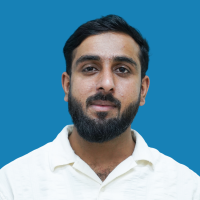
Mr. Aqeeb Hussain
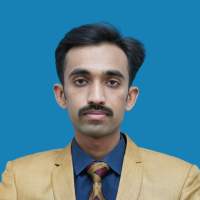
Engr. Shariq Khalid
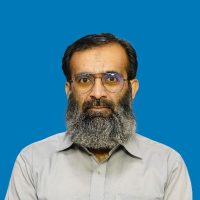
Mr. Ikram Ullah
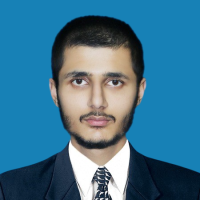
Mr. Asif Mehmood
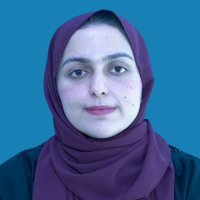
Ms. Shiza Raza
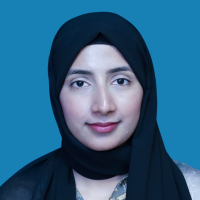
Ms. Aqsa Mohsin
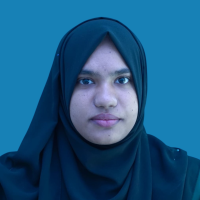
Ms. Adan Atiq

Mr. Hammad Ullah
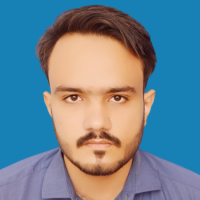
Mr. Aqeel Ahmed
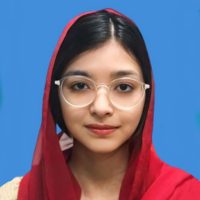
Ms. Rafiya Tariq
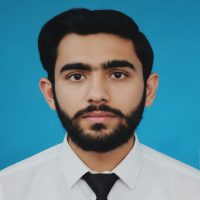
Mr. Hamza Arshad
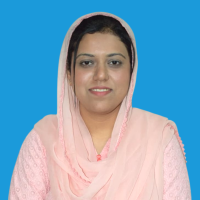
Ms. Areeba Nasim
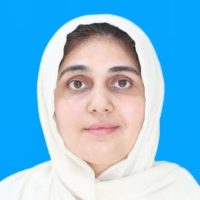
Ms. Amina Iqbal
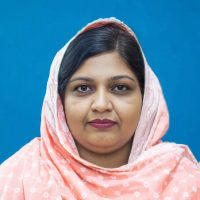
Ms. Arifa Naheed Rana
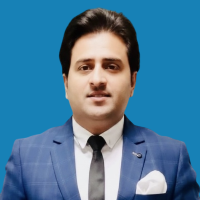
Mr. Naveed A. Gondal
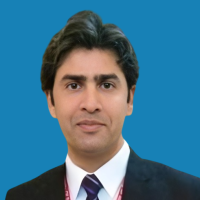
Mr. Hafiz M. Adnan
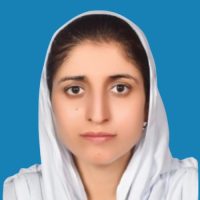
Ms. Naila Rafique
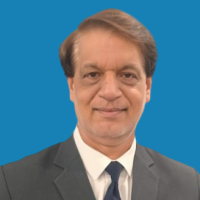
Dr. Abid Hussein Khan
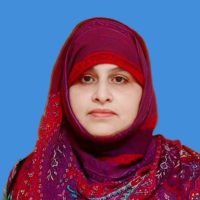
Ms. Nosheen Qayyum
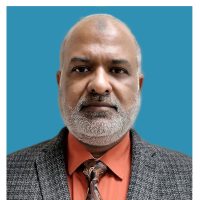
Dr. Tahir H. Khan
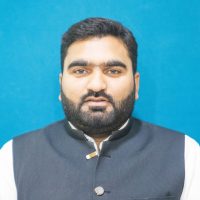
Mr. M. Hassaan
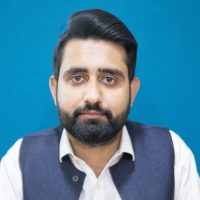
Engr. Abdullah
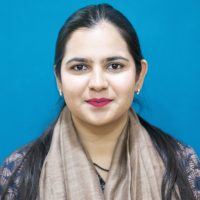
Ms. Nayab Tariq

Mr. Zohaib Ahmed

Mr. Imran Javed

Ms. Hira Firdous
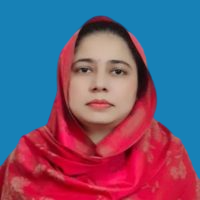
Ms. Asma Qandeel

Ms. Rimsha Jahangir

Mr. M. Wasim Haider

Ms. Zahida Younas

Mr. Furqan Ahmad

Ms. Rokhma Un Nisa

Syed Farhan Ali

Ms. Jaweria Khalid

Ms. Tehreem Ahmed

Mr. Manan Shahid

Ms. Anam Zahra

Ms. Zuha Raza

Ms. Asma Ali

Mr. Muhammad Daniyal
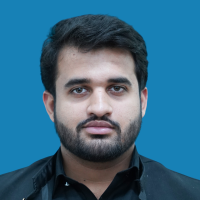
Mr. Ibtisam Zia
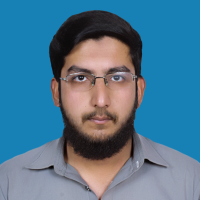
Mr. Rafah Ahmed
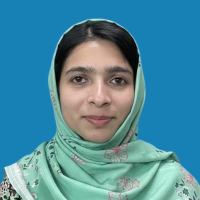
Ms. Ghanza Iqbal
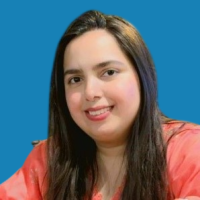
Ms. Rafia Zafar
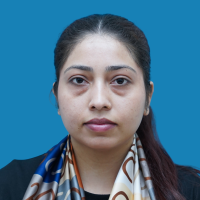
Ms. Muntaha Tabassum
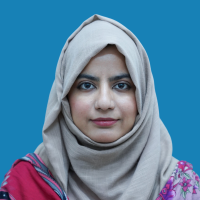
Ms. Mehreen Tabassum
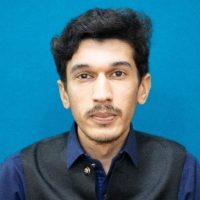
Mr. Muhammad Awais
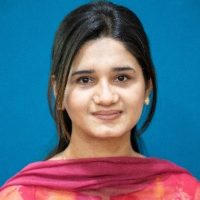
Ms. Samar Fatima
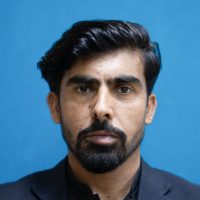
Mr. Islam Ud Din
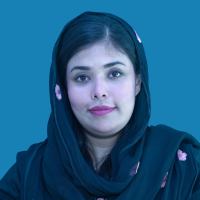
Ms. Mamoona Waheed
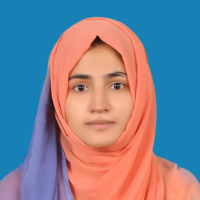
Engr. Madiha

Ms. Maria Safdar

Mr. Temour Abbas
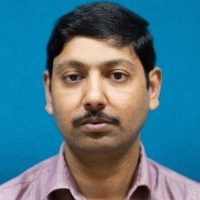
Mr. Qazi Shuja Ud Din
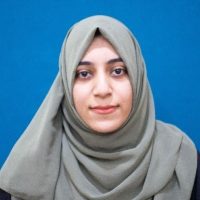
Ms. Asma Rauf

Ms. Amina Ashfaq
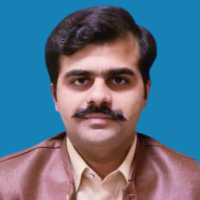
Mr. Tabarak Matloob

Mr. Adnan Karamat
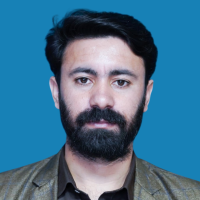
Mr. Nadeem Zia
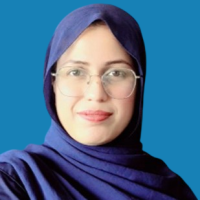
Ms. Hafsah Mahmood
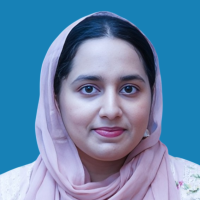
Ms. Maria Javed
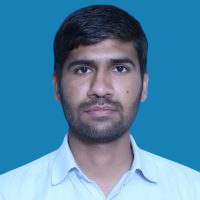
Mr. Taimoor Riaz

Ms. Saba Nawaz
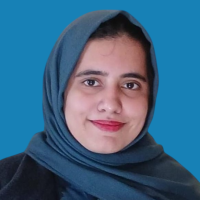
Ms. Fareeha Ashraf

Ms. Khizra Bibi
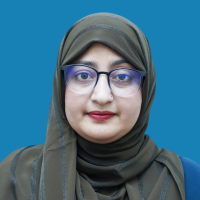
Ms. Farah Naz

Mr. Wasif Ali
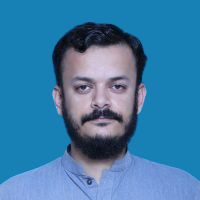
Mr. M. Majid Zaman
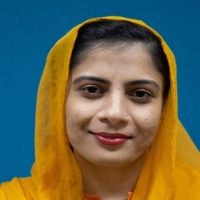
Ms. Anum Naseem

Mr. Zaheer Ahmad
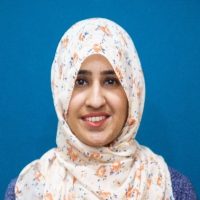
Ms. Qudsia Yousaf

Ms. Nadia Ashfaq
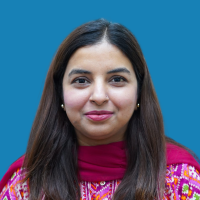
Ms. Maham Khan
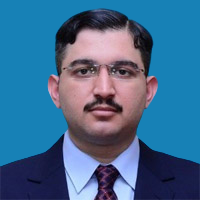
Mr. Mudassar Adeel
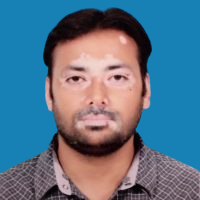
Mr. Ibrar Arshad
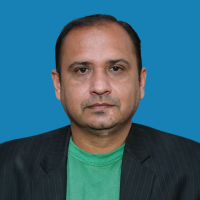
Mifzal Ahmad Khan

Ms. Sadia Rasheed
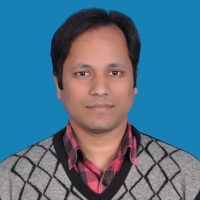
Mr. Syed Awais Haider

Dr. Farah Haneef
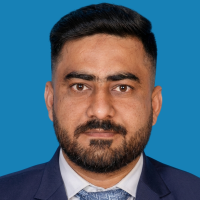
Dr. M. Shahwar Asad

Dr. Saifullah
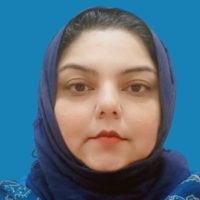
Dr. Sabeen Masood
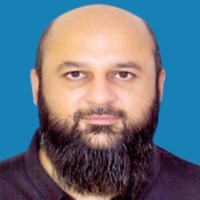
Dr. Rizwan Bin Faiz
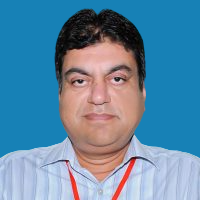
Dr. Aamer Nadeem

Mr. M. Ibrar Khan

Dr. Nadeem Anjum

Mr. S. Hassam Ali Sami
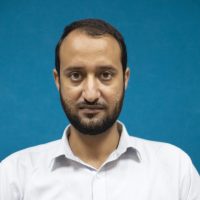
M. Junaid Tariq

Mr. Sajeel Ahmad
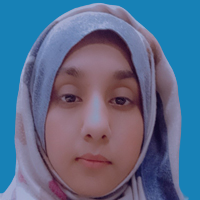
Ms. Rida Haya

Mr. Israr Ahmad Sani

Mr. S. Umair Kazmi
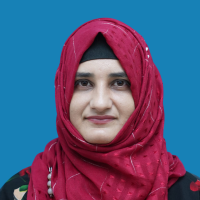
Ms. Snober Naseer
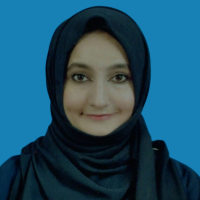
Ms. Faiza Asad
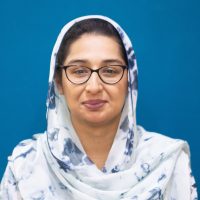
Ms. Hina Shoaib

Ms. Rubina Shoukat

Mr. Shamas Gulfam
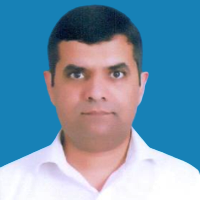
Mr. Salman Ahmed
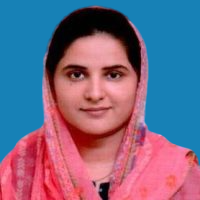
Ms. Farwa Tahir
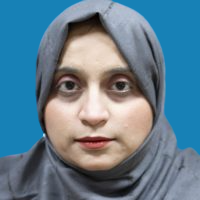
Ms. Farwa Zaid Ali
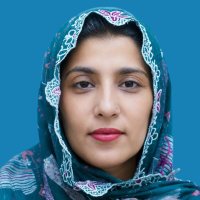
Ms. Aysha Nabeel
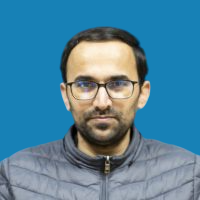
Mr. Fahim Shahzad
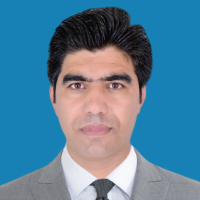
Dr. Najam Aziz
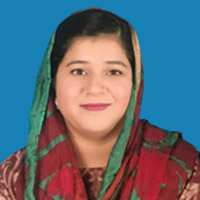
Ms. Fareeha Hasan
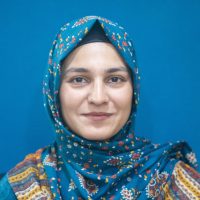
Ms. Asima Bibi
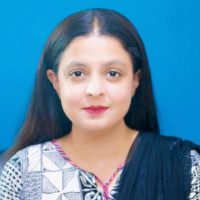
Ms. Fiza Tahir
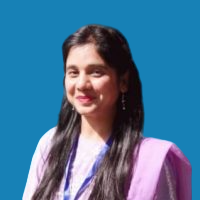
Ms. Sabiha Naureen
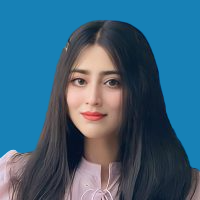
Ms. Hafsa Jabeen
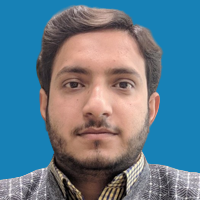
Mr. Mateen Abbas

Ms. Komal Farooq

Mr. Ahsan Rafiq
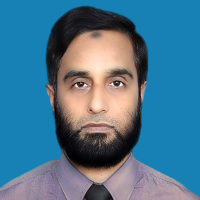
Dr. M. Masroor Ahmed
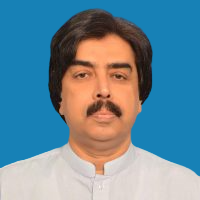
Dr. M Abdul Qadir
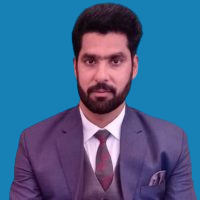
Mr. Sadaqat Hussain

Mr. M. Farhan Ali Khan

Dr. Sohail Riaz
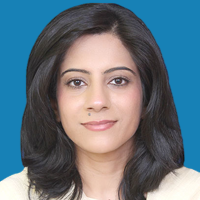
Ms. Nitasha Gohar
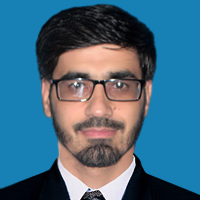
Mr. Muhammad Yasir
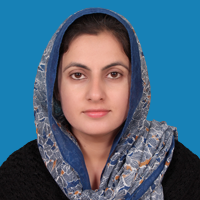
Ms. Iqra Hamid

Dr. Muhammad Saalim

Dr. Farman Ullah Khan

Dr. Siraj Khan

Dr. Reem
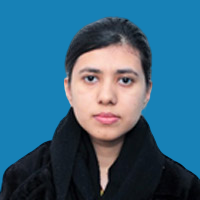
Dr. Mahira Zeeshan

Dr. Fazlullah Khan
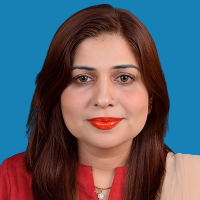
Dr. Nadia Shamshad
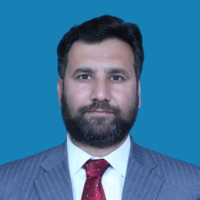
Dr. Mahboob Alam
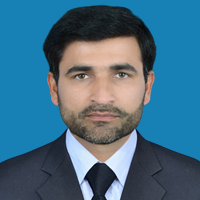
Dr. Muzaffar Abbas
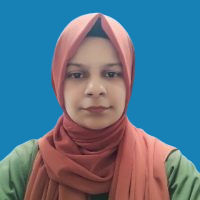
Ms. Sania Tabassum
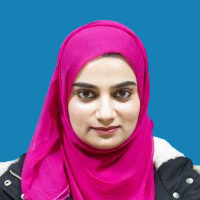
Ms. Taliha Ahmed
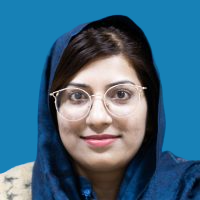
Ms. Ayesha Aftab

Mr. Irfan Zafar
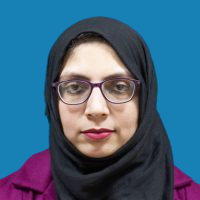
Ms. Shah Gull
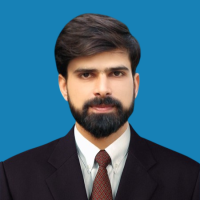
Dr. Muhammad Kamran
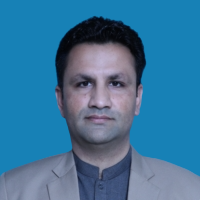
Dr. Sami Ullah Jan

Dr. M. Asad Anwar
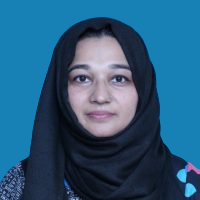
Dr. Sania Riaz
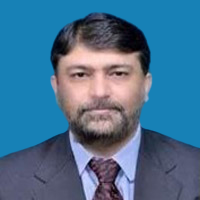
Dr. Rizwan Ur Rehman
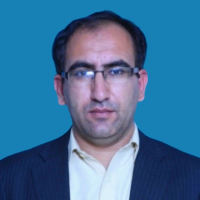
Dr. Sohail Ahmad Jan
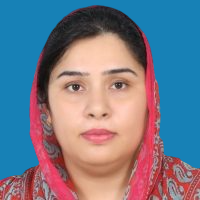
Dr. S. Marriam Bakhtiar
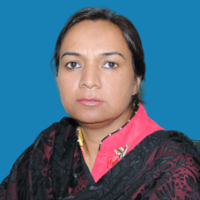
Dr. Sahar Fazal
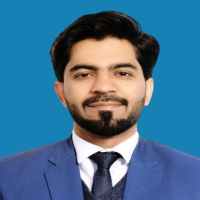
Mr. Sikandar Seemab
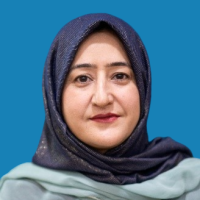
Ms. Farrah Iqbal
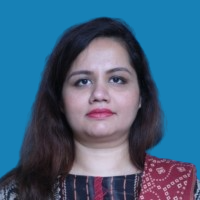
Ms. Asma Naz
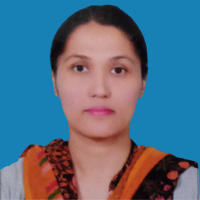
Ms. Faiza Arshad
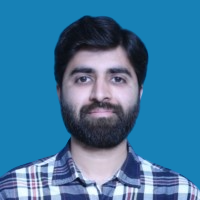
Mr. M. Aneeb Fazal
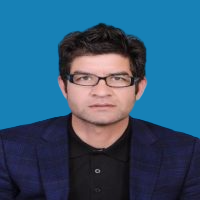
Mr. Maqsood Alam
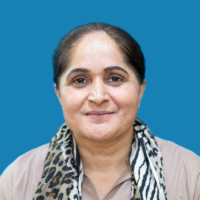
Ms. Naveeda Fazal Haq
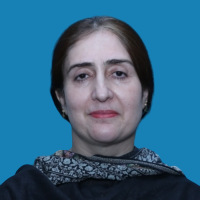
Ms. Uzma Arshad
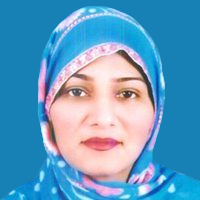
Ms. Saeeda Ibrahim
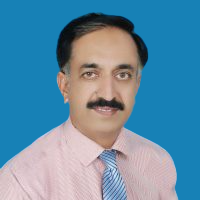
Mr. Inam Elahi
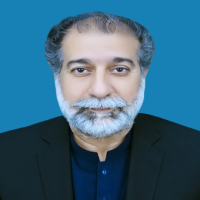
Dr. M. Saqib Zaigham
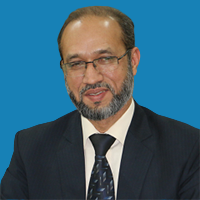
Dr. M. Umar Farooq
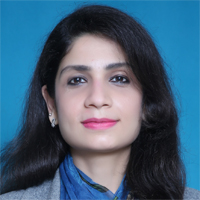
Ms. Javeria Khalid
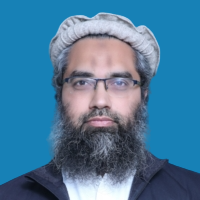
Mr. M. Irfan Mustafa
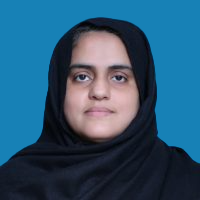
Ms. Sarah Nawaz Malik

Mr. M. Umar Toor
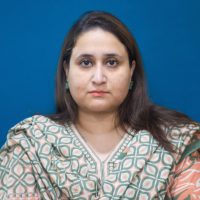
Dr. Nida Zahid Kayani

Dr. M. Sanaullah Shah

Dr. Shakeel Iqbal
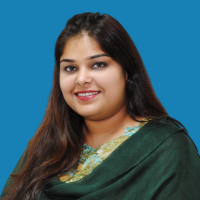
Dr. Maria Mashkoor
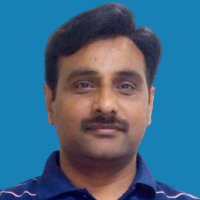
Dr. M. Saboor Ahmed
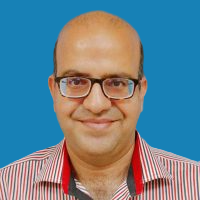
Mr. Nasir Rasool

Dr. Ahsan M. Ahmed
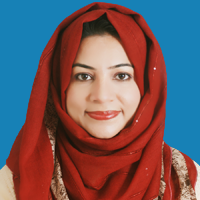
Dr. Shazia Faiz
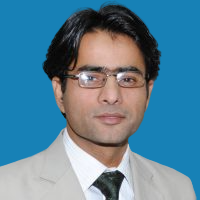
Dr. M. Ishfaq Khan

Dr. Ansir Ali Rajput

Mr. Saqib Naveed
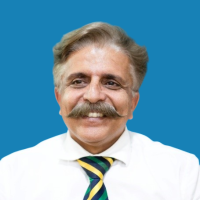
Dr. S. M. Mehdi Raza
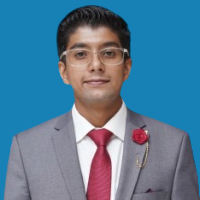
Engr. Sarmad Ali
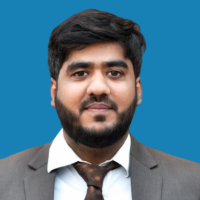
Engr. M. Ahmed
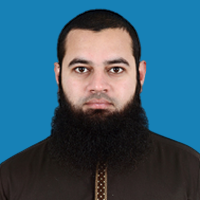
Mr. M. Haroon

Mr. M. Zulfiqar
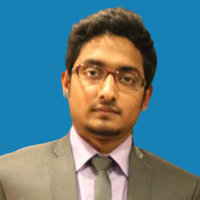
Dr. M. Rizwan Siddiqui
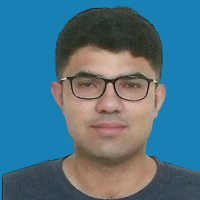
Dr. Manzar Masud

Mr. Tauseef Ahmed
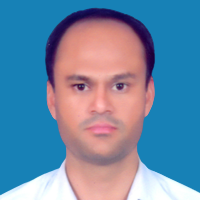
Dr. Ghulam Asghar
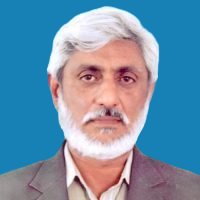
Mr. Khalid Mahmood
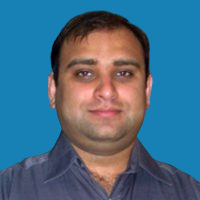
Mr. Syed Hassan Shah
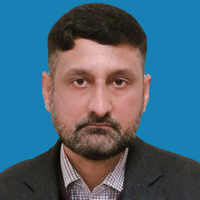
Mr. Saif Ullah
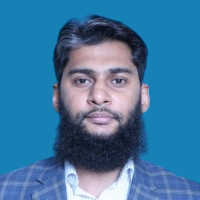
Dr. Muhammad Irfan
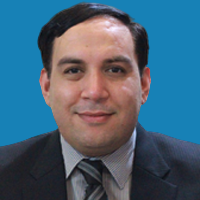
Dr. M. Mahabat Khan
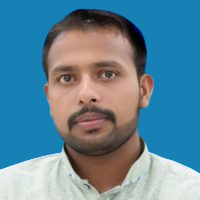
Engr. M. Arslan Rafique
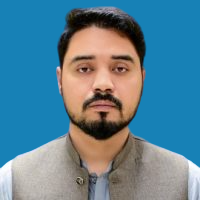
Mr. Yasir Hussain
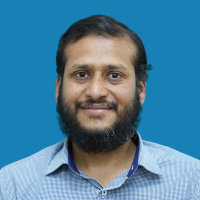
Mr. M. Waqas
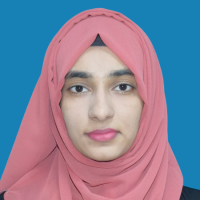
Ms. Samra Ghaffar
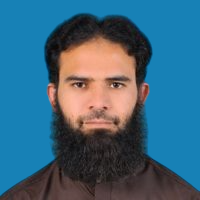
Mr. Abdullah Numani
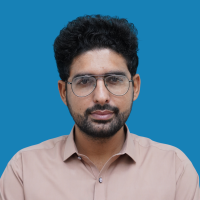
Mr. Asad Javeed
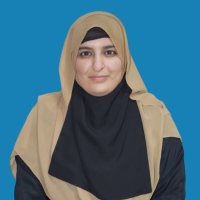
Ms. Sumaira Sheraz

Engr. Suleman Khan
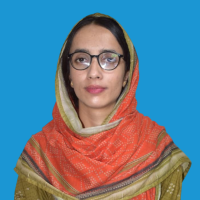
Ms. Misbah Azam
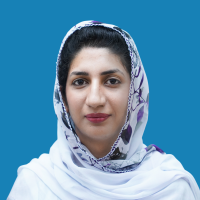
Ms. Iqra Suleman
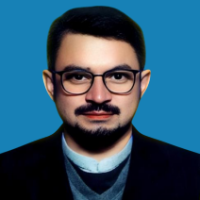
Engr. Amir Habib
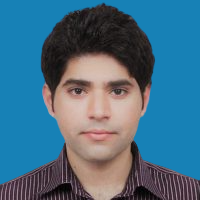
Mr. Moin Qasim
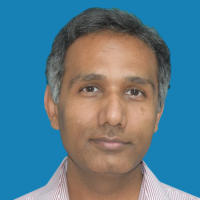
Mr. Umar Maqbool
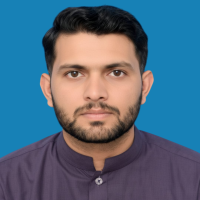
Dr. M. Awais Shahid
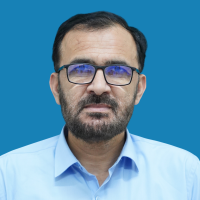
Dr. Rafiq Ullah
Dr. Jehan Zeb
Dr. Touseef Javed
Dr. Umer Farooq Ahmed
Dr. Waseem Abbass

Dr. Muhammad Riaz

Dr. Noor M. Khan
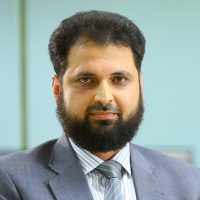
Dr. Imtiaz Ahmad Taj

Dr. M. Mansoor Ahmed
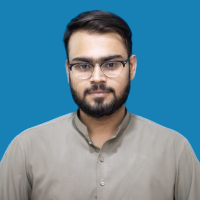
Mr. Muhammad Yahya
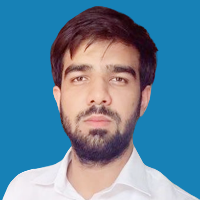
Mr. Minhas Shah
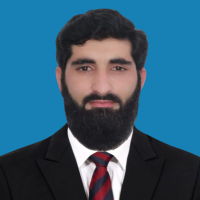
Mr. M. Ilyas Siddiqi
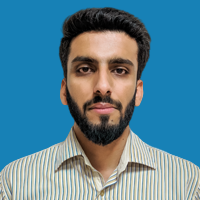
Mr. Talha Ahmed
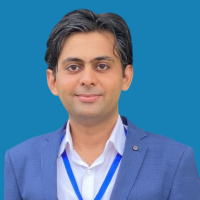
Mr. Sohail Afzal
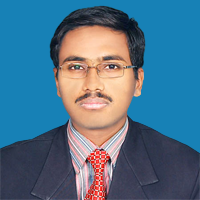
Mr. M. Waqas Malik
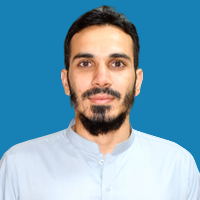
Mr. Shaheed Ullah
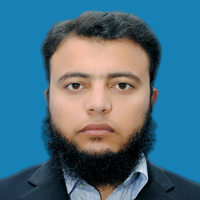
Mr. Iqbal Ahmad
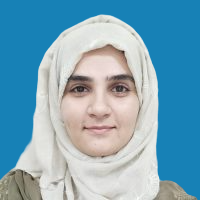
Ms. Faiza Khalid

Dr. Maria Ghufran
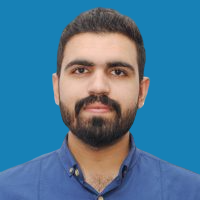
Dr. M. Usman Farooqi
Dr. Ishtiaq Hassan
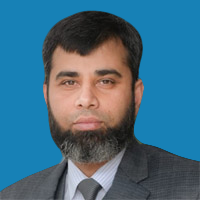
Dr. Majid Ali
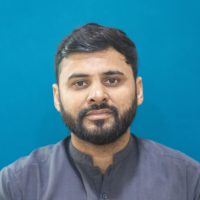
Mr. Waqar Ahmad
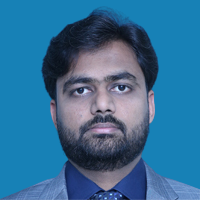
Mr. Waqar Younas
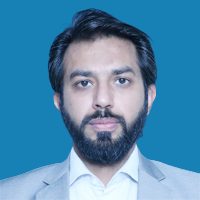
Mr. Azhar Rauf Khan

Mr. M. Nauman
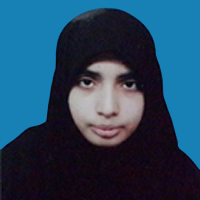
Ms. Zuriat Zahra
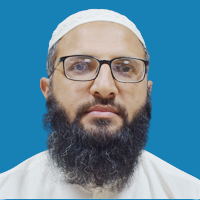
Mr. Muhammad Iqbal
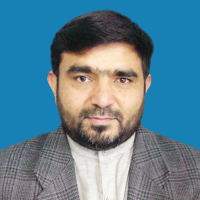
Mr. Naeemullah Khan
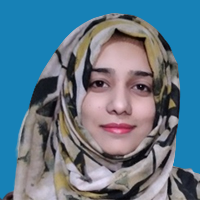
Dr. Rida Rafaqat
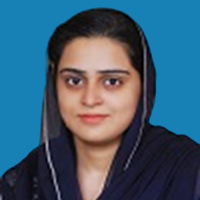
Dr. Ayyesha Kanwal

Dr. Abid Kamran
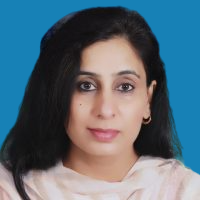
Dr. Samina Batul
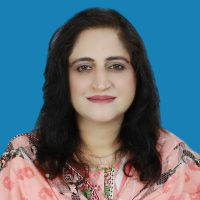
Dr. Dur e Shehwar
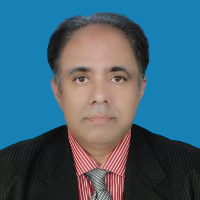
Dr. A. Rehman Kashif
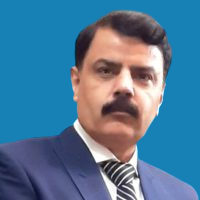
Dr. Rashid Ali
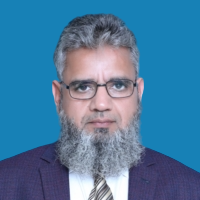
Dr. Muhammad Sagheer
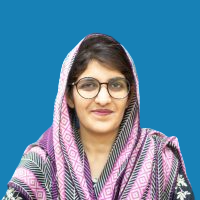
Ms. Iqra Kiran
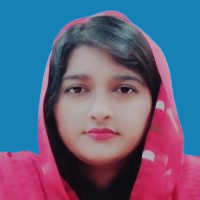
Ms. Asima Munawar
Ms. Anam Mehmood
Ms. Aysha Aneeq
Ms. Irum Noureen
Ms. Uzma Mushtaq
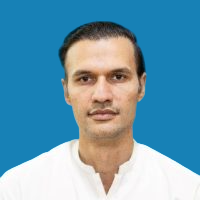
Mr. M. Zeeshan Iltaf
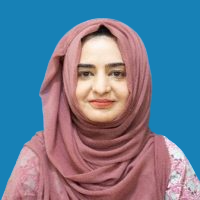
Ms. Sadaf Zeb
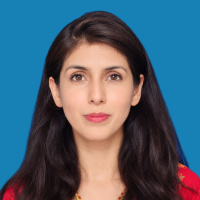
Ms. Annum Tanweer

Dr. Ishrat Yousaf
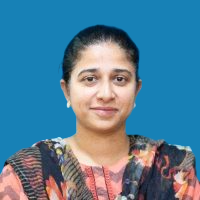
Dr. Sabahat Haqqani

Dr. Anum Rashid
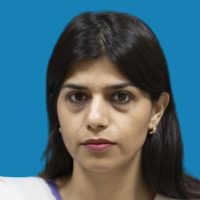
Dr. Anam Tariq
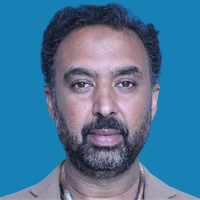
Dr. Iftikhar Ali Janjua
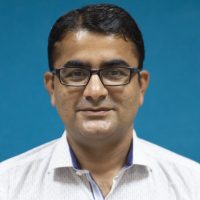
Dr. Zeeshan Ahmed
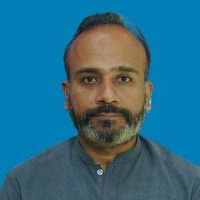
Dr. Zunnoorain Khan
Dr. Imran Riaz Malik
Dr. Jaleel Ahmed Malik

Dr. Arshad Hassan